
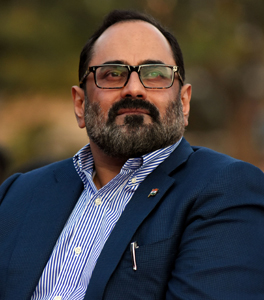
MoS Chandrasekhar highlights India's transition from a jobless state to one led by employment growth over the course of 10 years.

MoS Chandrasekhar highlights India's transition from a jobless state to one led by employment growth over the course of 10 years.

India has seen big changes in job opportunities over the past 10 years, says Minister Rajeev Chandrasekhar. Before, there were not many jobs, but now there are more. About 45 million young people have been trained for jobs since 2014. The focus now is on training people in new skills like artificial intelligence, semiconductors, cybersecurity, and high-performance computing.

What are the main achievements in skill development?

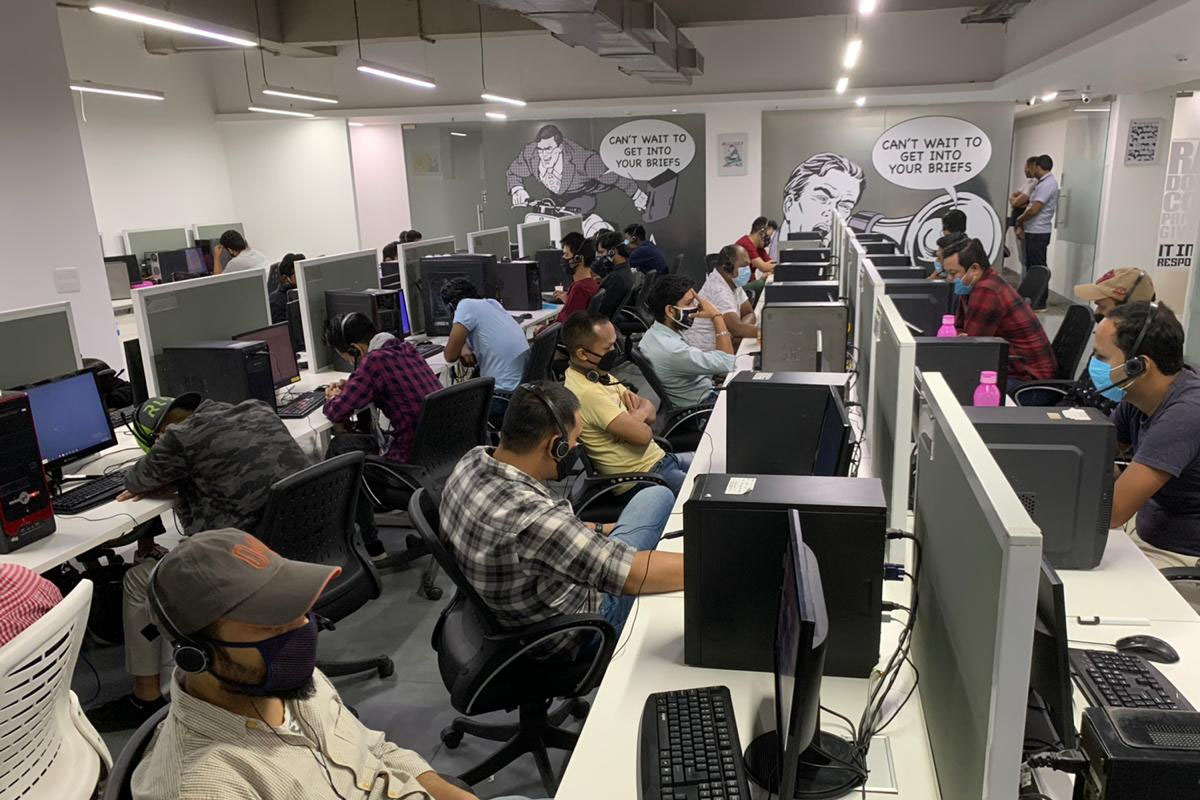
Before 2014, most workers in India didn't have any special skills. There were around 30 crore unskilled workers out of 42 crore. So, Prime Minister Narendra Modi started the Skill India Mission to train people for jobs. Between 2014 and before COVID-19, about 4.5 crore young people got job training. Also, the new National Education Policy in 2020 made job training part of school education. This helped fix the gap in skills and education in our workforce.

Is our society ready for job training?

For a long time, people thought having a degree was enough. But employers want experience, which comes from skills, not just degrees. That's why job training is now part of education.

What about students who dropped out of school?

Now, anyone can get job training at special centers set up in schools under the government's program. Even if you dropped out of school, you can go back and learn skills like computer programming or phone repair.

Is there a change in the types of skills needed?

After COVID-19, more jobs need technology and digital skills. The government is working on providing training in these areas.

What about startups?

Before 2014, only a few big companies dominated the economy. So, the Prime Minister wanted to encourage more startups. Now, India is a global hub for startups. We went from 100 startups in 2014 to over 1.18 lakh now, with 112 of them worth over $1 billion. The goal is to have ten times more startups in the next five years, focusing on new skills.

Related Articles


Bespoke Investment Services,
Portfolio Design and Execution

Portfolio Design

My portfolio design services acts as a bridge between strategic allocation theory and real-world implementation. It brings flexibility in scope (asset class level or full SAA), a collaborative working style, and the advantage of ongoing specialist input.

Strategic Practical Collaborative

Global Overview

My portfolio solutions services help investors design portfolios tailored to their specific circumstances and objectives.

The approach combines quantitative and qualitative methods with implementation planning.

Investors are supported by associate strategists and asset class specialists at every stage.

Focus Area What You Get
Tailored Objectives Portfolio design aligned to specific funding goals, risk tolerance, and constraints.
Blended Methods Quantitative modelling plus qualitative judgement for robust, real-world decisions.
Specialist Support Associate strategists and asset class specialists embedded through the process.

From Theory to Practice

Strategic Asset Allocation (SAA) is essential but often leaves a gap between theory and real-world results.

My portfolio design advisory services aim to bridge this implementation gap.

Investors use these services in two main ways:

  • Asset class/sub-group level (e.g., Equities, Growth Portfolio, Absolute Return Portfolio), often tied to manager selection.
  • Granular portfolio design with SAA review, aligning top-level allocation with detailed structuring.
Mode Best For Outcome
Asset Class Level Refining a specific sleeve such as Equities or Absolute Return. Clear mandate design and manager selection alignment.
Granular + SAA Review Top-down to bottom-up consistency across the whole portfolio. Integrated structure that links strategic targets to implementable building blocks.

Working with Clients

Services act as an extension of the client’s team.

Recommended working group format:

  • I provide structure and analysis.
  • Client maintains control of the decision-making process.

I recognise that implementation varies by asset class and evolves over time.

Step Your Role My Role
Define Objectives Set targets, constraints, and timelines. Translate into measurable design criteria.
Design & Analysis Provide input and preferences. Structure, model, and stress-test options.
Implementation Approve direction and pace. Plan for managers, mandates, and execution.

Latest Market Musings

  • All
  • Markets
  • Stocks
  • Cryptocurrency News

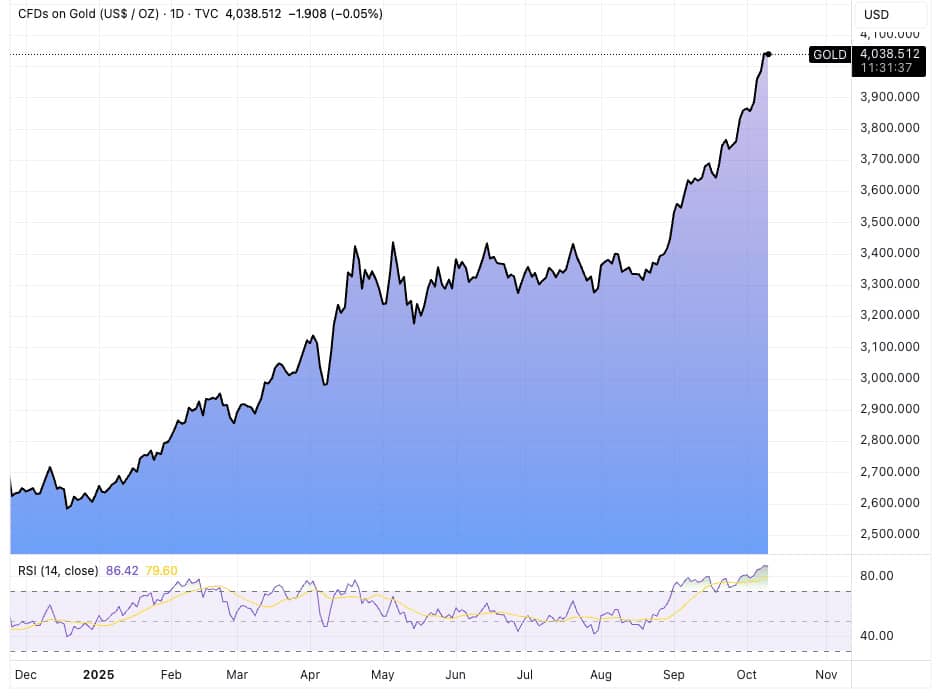
  Gold often features in my portfolio considerations, but the key question now is whether I’ll be adding to that exposure at these levels.

Every year I make a point of looking at UBS’s Global Real Estate Bubble Index. Real estate isn’t a sector I invest in directly — it’s not my special...

 The past six months have been all about US tech. The S&P 500 has soared to record highs since April, up more than 12% this year, with AI-d...

  I want to flag something that's bugging me, because I'm seeing a pattern emerge; one that looks eerily familiar if you were around in the dot-...

Equity Strategy & Implementation

For family funds & charitable trusts

Research-led equity allocations that blend manager research, ESG integration and practical portfolio design—turning analysis into decisions you can implement tomorrow.

  • Comprehensive coverage: global, style and thematic sleeves.
  • Actionable design: mandates, fees and execution mapped out.
  • Ongoing oversight: monitoring with clear trigger points.

ETF Strategy & Services

For families, individuals & trusts

Diversified, cost-aware portfolios using Exchange Traded Funds—clear design, disciplined selection and practical execution to enhance efficiency without sacrificing oversight.

  • Efficient diversification: broad market, factor and thematic exposure.
  • Selection discipline: fees, liquidity, tracking and structure assessed.
  • Ongoing oversight: rebalancing, reporting and governance clarity.

Crypto & Digital Asset Strategy

For family funds & charitable trusts

Responsible exposure to digital assets, combining portfolio design, manager research, risk-based controls and trustee-grade governance—so you can diversify without compromising oversight.

  • Measured diversification: allocations that complement existing portfolios.
  • Implementation-ready: providers, custody and phasing mapped out.
  • Governance first: clear policy, documentation and monitoring.